In trauma medicine there's a phrase every emergency doctor knows: the golden hour. The care a person receives in the first sixty minutes after a serious injury or medical crisis often decides whether they live, and how well they recover. The problem is that this clock starts long before an ambulance arrives — and identity is one of the first things lost.
What the golden hour really means
The golden hour is the window right after a major injury when prompt treatment gives the best chance of survival. Blood loss, airway problems and shock all worsen minute by minute. Every delay — finding the patient, working out what's wrong, deciding on safe treatment — eats into that window.
Notice that only part of that hour is spent in a hospital. A large share is lost at the scene and on the road. Anything that removes even a few minutes of confusion is time given back to the patient.
Why identity and medical info speed treatment
When a responder reaches an unconscious or dazed person, they're often flying blind. They don't know the patient's name, their allergies, whether they're on blood thinners, or who to call for consent and history. Every one of those unknowns slows the right decision.
Two facts change treatment immediately: blood group and drug allergies. Give the wrong blood type or a drug the patient reacts to, and a rescue becomes a second emergency. We go deep on this in blood group and allergies: the details that save lives.
- Faster consent: reaching family quickly means treatment decisions aren't stalled.
- Safer drugs: known allergies and current medicines prevent dangerous interactions.
- Right resources: knowing a condition like diabetes or epilepsy points to the correct first response.
- Less guesswork: a name and history let a hospital pull records instead of starting from zero.
You can't add minutes to the golden hour — but you can stop wasting them on questions a small tag could answer instantly.
Bystander response in India
In India, the person most likely to reach an accident victim first isn't a paramedic — it's a fellow commuter, a shopkeeper or a passer-by. Thanks to the Good Samaritan guidelines, bystanders are now protected when they help, and many do. But a willing helper still hits the same wall: who is this person, and what do they need?
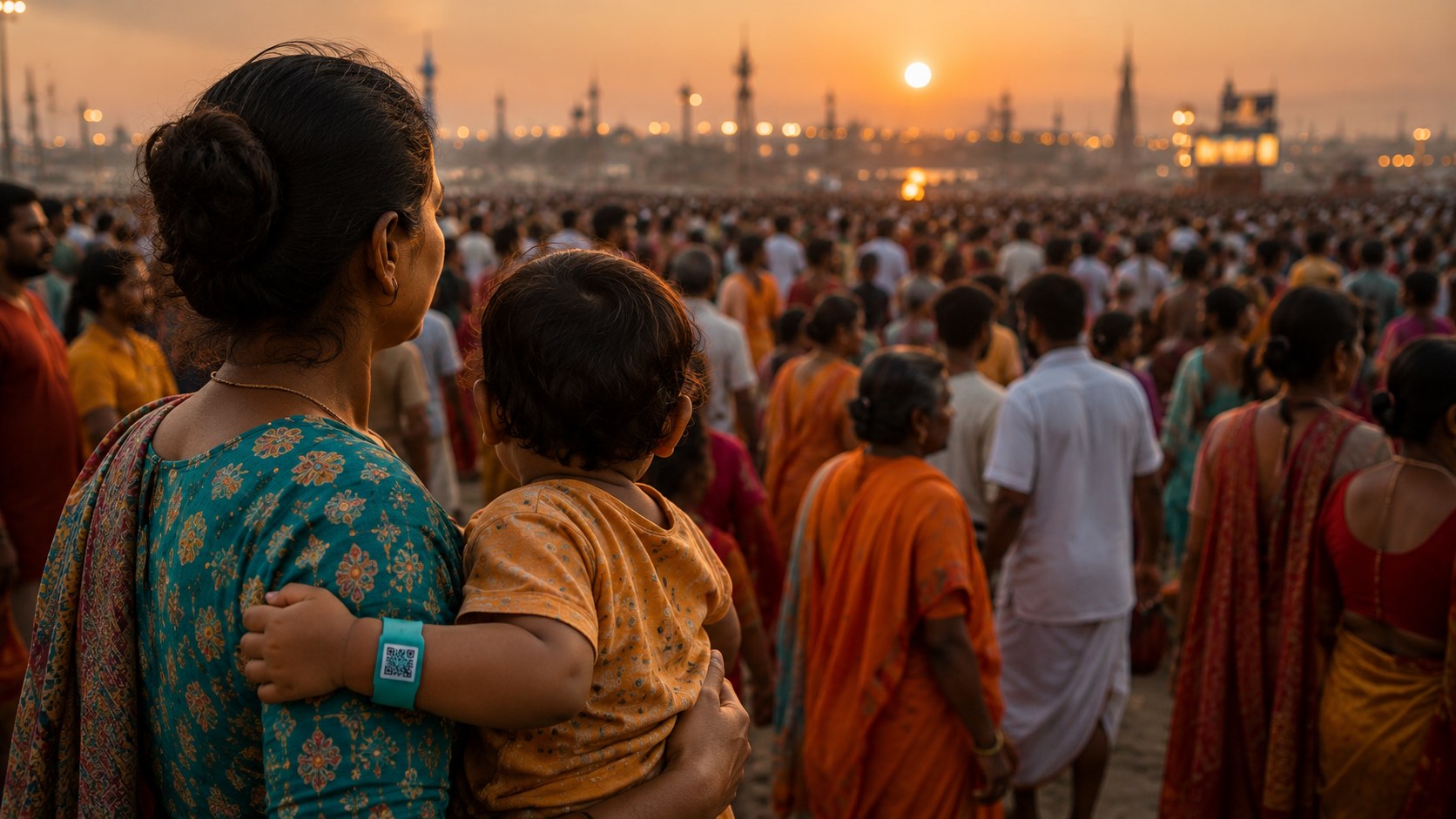
A SafeTag answers that with one scan. Any smartphone reading the QR code or tapping the NFC chip reaches an emergency profile in about three seconds — no app to install, no login. A bystander goes from helpless to genuinely useful, able to call the family and read out critical information to the ambulance operator. See exactly how the flow works in how SafeTag works in 3 steps.
The number stays private until it's needed
Contacts are revealed on tap rather than printed in the open, so the tag helps a real rescuer without exposing your family's phone number to casual scanning.
Turning a bystander into a first responder
Most people who witness an emergency genuinely want to help — they just don't know how, or fear making things worse. A scannable emergency ID quietly guides them. Instead of standing back unsure, a bystander who scans a tag is handed three concrete, useful actions:
- Call the family so someone who knows the patient is on the way and can give consent.
- Relay the medical facts — blood group, allergies, key conditions — to the ambulance operator over the phone.
- Stay and reassure the patient by name, which matters more than most people realise in a crisis.
None of this requires medical training. It only requires the information to be reachable in the moment — which is precisely the gap a tag closes.
Who is most exposed to lost minutes
Anyone can have a bad hour, but some people carry more risk of being found unable to speak for themselves. Two-wheeler riders are near the top of that list — helmets and speed make road crashes both common and disorienting. If you or someone you love commutes on two wheels, read why every rider in India needs an emergency ID.
Buy time before you need it
The golden hour is unforgiving because you can't prepare for it once it starts. The only preparation is done in advance — a tag already worn, already filled in, ready the moment it's scanned. Setting one up takes a few minutes today and could hand a stranger the information that saves your life tomorrow.
Get a durable QR + NFC tag from the SafeTag store and turn your first crucial minutes from guesswork into action.